I had wanted to walk half of the way to Gernika (Guernica) so that I could have time to tour the city and the Museum of Peace, as well as make it to Bilbao for dinner. Car or bus transfer across northern Spain to Ribadeo is easier through the larger cities, like Bilbao. However, planning buses half way on a camino route seemed tricky. You can’t easily Google the bus lines and times. The trails sometimes pass roads, but often do not. You need a local taxi number, as well. So, leaving the smaller suburb of Markina-Xemein, I walked about 2 miles to find a bus connection to Gernika.
There was no direct bus to Gernika. I bused in the opposite direction to Lekeitio, got a coffee, and then caught another bus to Gernika. I later learned how much people recommend visiting Lekeitio for being a smaller fishing/beach town. I wish I had stayed in the afternoon. Some had recommended I could skip Gernika. However, with my Spanish Civil War research background, I felt compelled. I knew the history of the bombing of Gernika, but I wanted to experience the place, as there is a power of visiting sites that allows a more visceral experience – another level of knowing. Arriving at Gernika it was much larger than I had thought, and busier. The tourist information center was full. And the museum was crowded with teens on a school trip. It was quite distracting; they rushed through rooms, talked, laughed, played with each other. It rushed my trip a bit. Overall, I didn’t have quite the experience that I had in Poland visiting sites of massacre and genocide. However, the museum offered a nice perspective on conflict, civil war, and possible avenues for reconciliation.
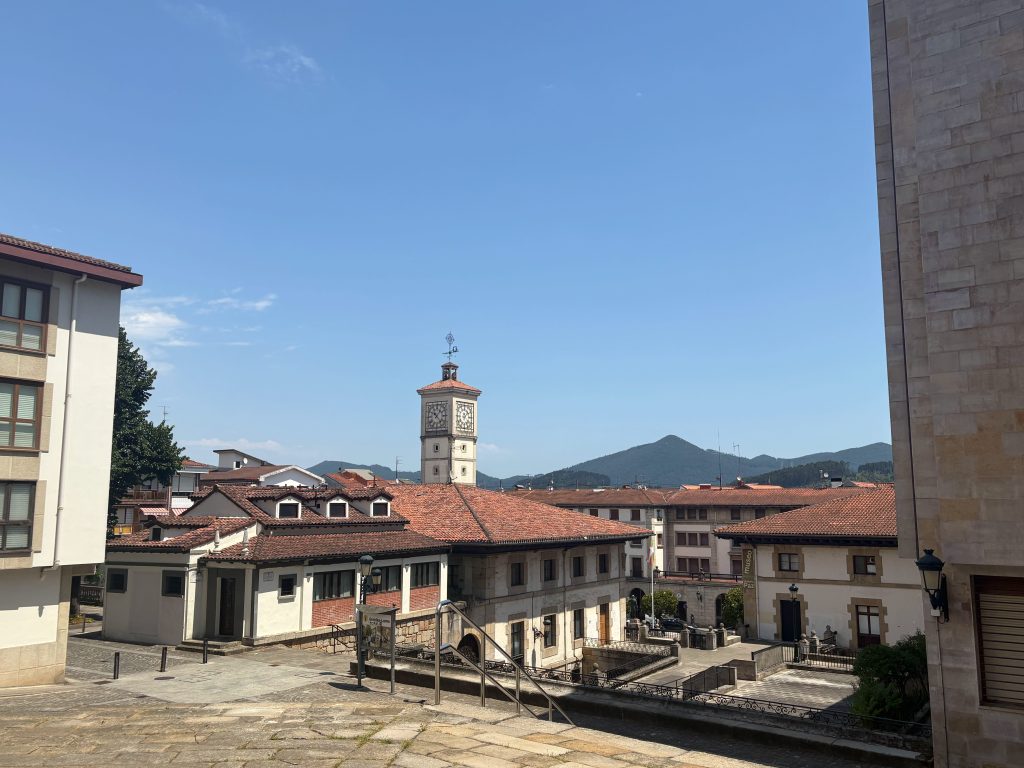
The Nationalist generals, including Francisco Franco, called on the German Condor Legion to fly over the small town on a market day in April 1937 when surrounding villagers would be in Gernika. This made the atrocity, which targeted civilians, particularly gruesome. Survivors recalled seeing the Nazi swastika on the planes that dropped bombs in Spain. Hitler, and Mussolini, saw the incursion into Spain’s war as training grounds for what would become World War II. I appreciated the part of the exhibit that included a small enclosed room set like a 1930s Basque apartment. You sit quietly for 5-10 minutes while sounds arise of an old radio recreating some of the lived experiences of Gernika’s residents, specifically, a woman’s perspective. Sirens, flashes, sounds of bombs, darkness, and then the realization of shelled out buildings, and crumbled stone leveled areas of the city.
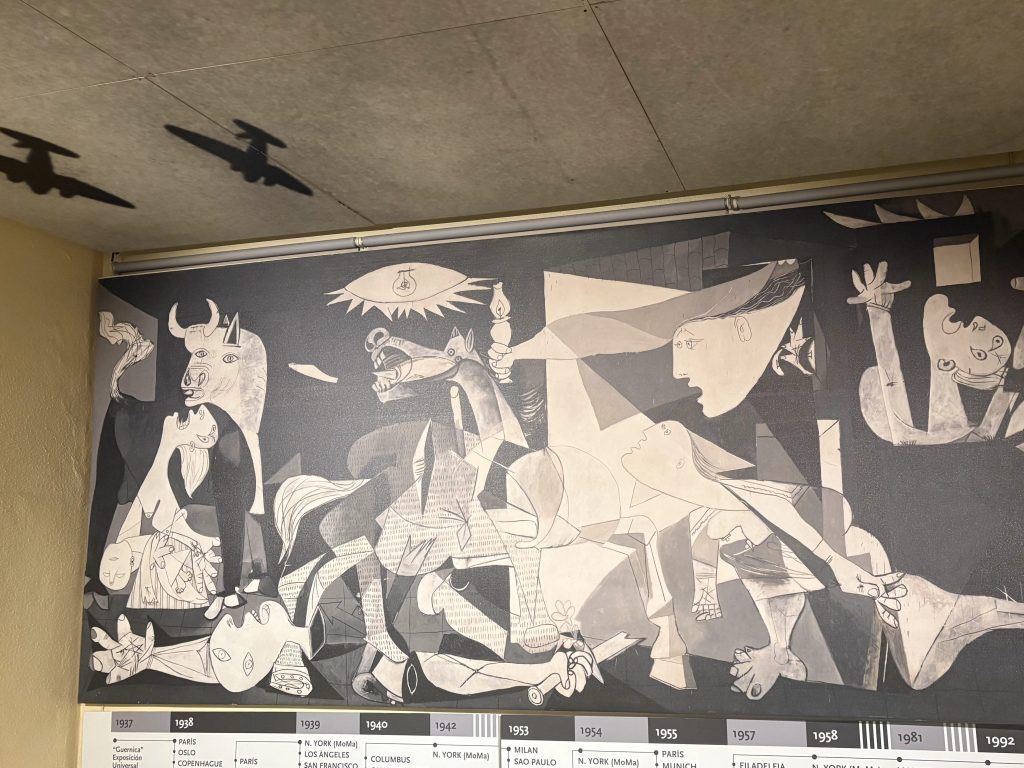
I knew that a disputed number of men, women, and children died. The Basque government estimated it at over 1600 but reports were made trickier due to the fact that Franco and his allies claimed the attack was carried out by communists or later that the death rate was much smaller. Pablo Picasso painted Gernika in 1937, amidst war, to raise international awareness; he displayed it in a Paris exhibition. He and many Spaniards, including the Republic’s government, hoped and expected the Western democracies to intervene, especially given the evidence of fascist Germany and Italy aiding the forces of the coup. But, they didn’t. The U.S. set an embargo on any arms trade and made it illegal to join the fight. Instead, thousands of volunteers from over 50 countries headed to Spain, to fight, drive ambulances, nurse, report, etc.
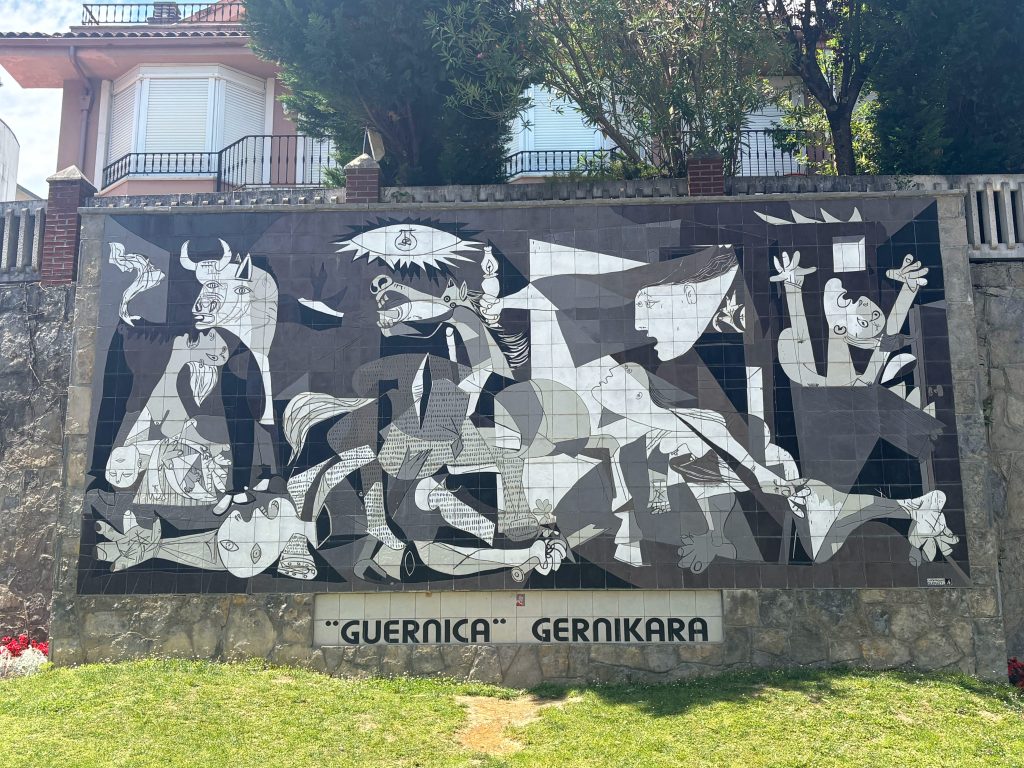
The town has a mural of Picasso’s Guernica, but the painting is in Madrid’s Prado museum. I teach this painting to my students, as it shows a history of 20th century Spain, the rise of European fascism, modern-total warfare, politicization of art, the appeasement of Hitler, and more. The part of the museum that was themed reconciliation prompted my curiosity. I hadn’t known that a town in Germany was designated Gernika’s sister-city following the German government’s 1990s formal apology for the bombing. Otherwise, the section was vague. It did not touch on Spain’s own “memory wars,” how the country ought to talk about or come to terms with not only what happened between 1936 and 1939, but the decades of Franco’s oppressive dictatorship. An interesting documentary on this is Pedro Almodóvar’s The Silence of Others. I show it to my Genocide Studies class and it seems as though in many ways Spain itself still has some reconciling to do.
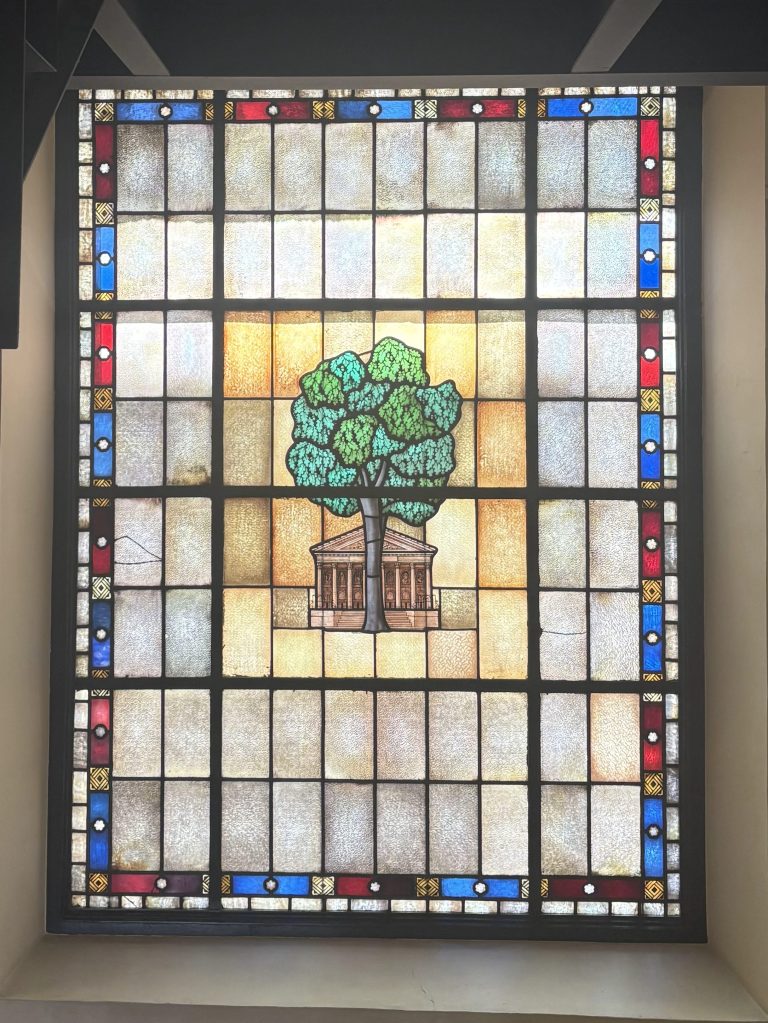
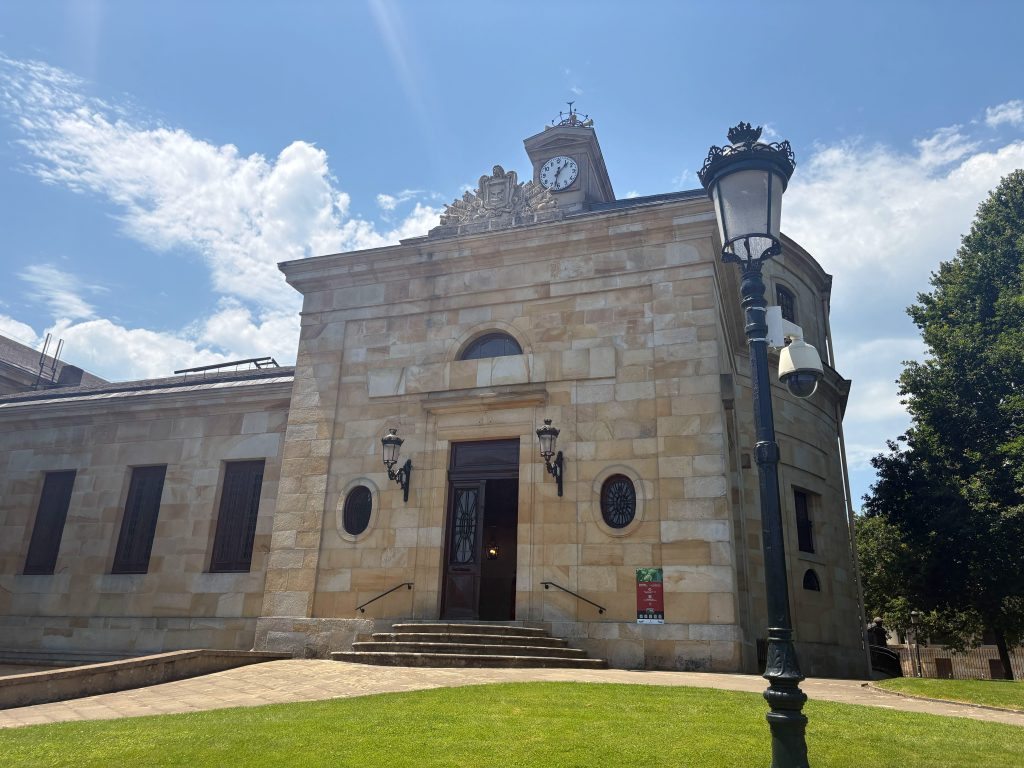
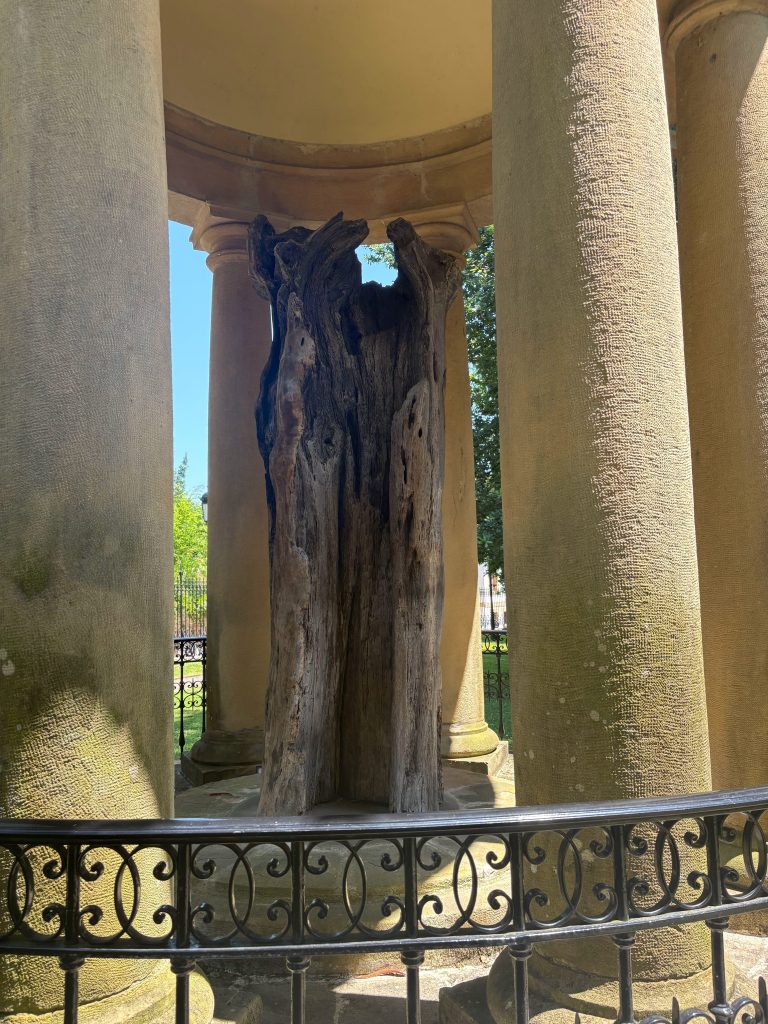
I also wished to see the Tree of Gernika. In Mark Kurlansky’s A Basque History of the World, we learn that Gernika hosted the region’s Assembly House and was the political seat of Basques since early Medieval times. Lords from the region would gather there to discuss issues and require kings to meet there to agree to the Fueros or autonomous rights for Basques. They’d sit under the shade of a large oak tree. Before the bombing, the tree that stood since the mid-1700s, its ancestor had originally stood there for 300 years. Miraculously, the tree survived the fascist aerial assault. But due to its age and disease, it was removed and replaced in the early 2000s. Gernika and the tree symbolize the Basque country’s culture and liberty.
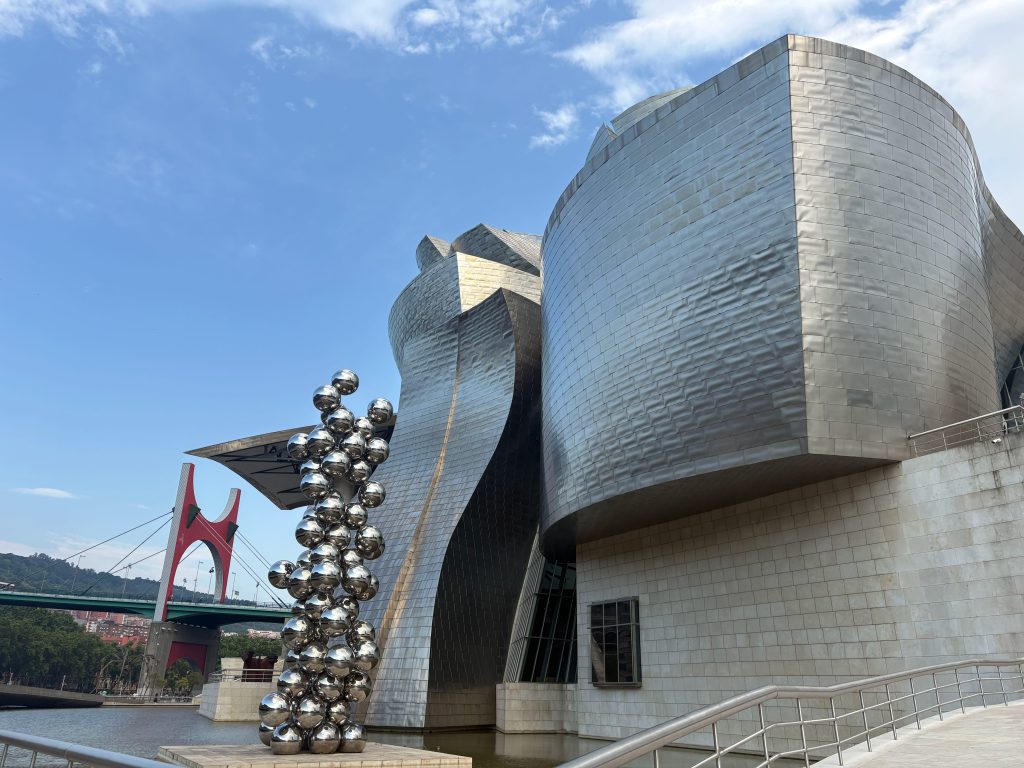
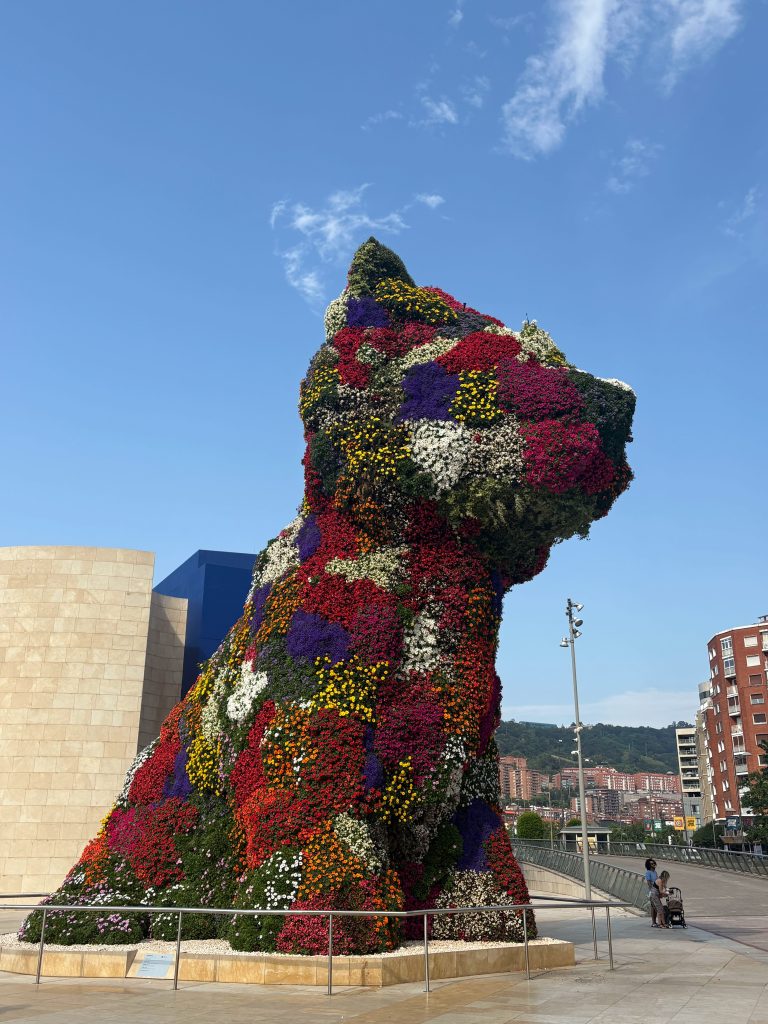
Taking a train to Bilbao was easy enough but about an hour. It’s a beautiful city with a lot of industrial sprawl. I didn’t have much time so I checked into my hostel (a women’s only hostel) and set out to sightsee a bit. I didn’t realize the size and distance of the city, so I walked on tight feet for 30 minutes before reaching the Guggenheim. I could only gaze at the world-famous outdoor sculptures and architecture since it was already closing time. The “Bilbao effect” (how an iconic architectural structure or cultural investment can revitalize a slagging economy) is discussed briefly on The Camino Podcast, episode 91.
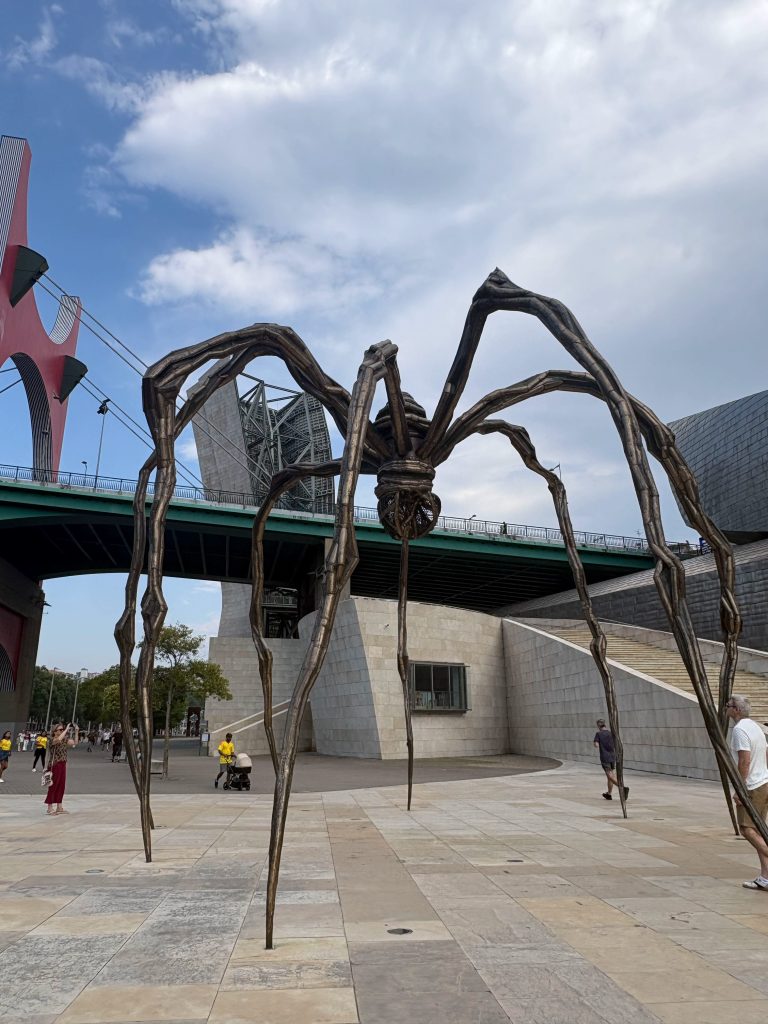
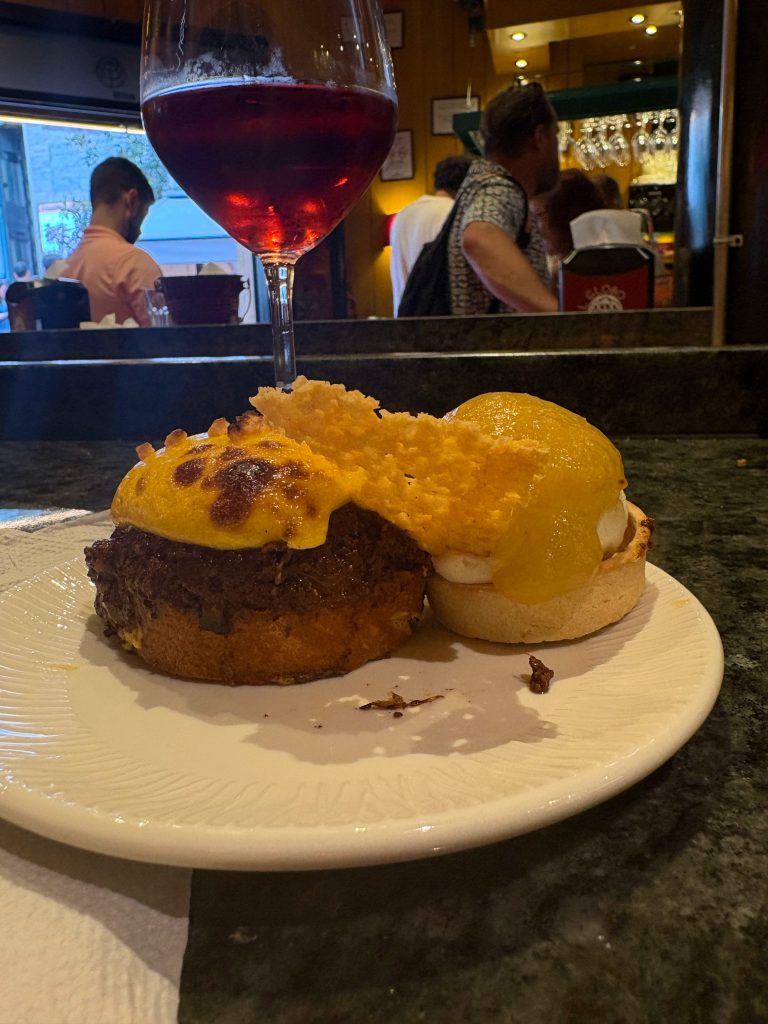
After pintxos at Cafe Globo, I very briefly walked to the Old Town or Casco Viejo, and ate in the Miribilla neighborhood that has a large immigrant community and hipster vibes. I had dinner at Perro Chico and the surrounding area was lively, as groups drank or hung out on steps that overlooked the estuary that runs out to Portugalete and the sea.
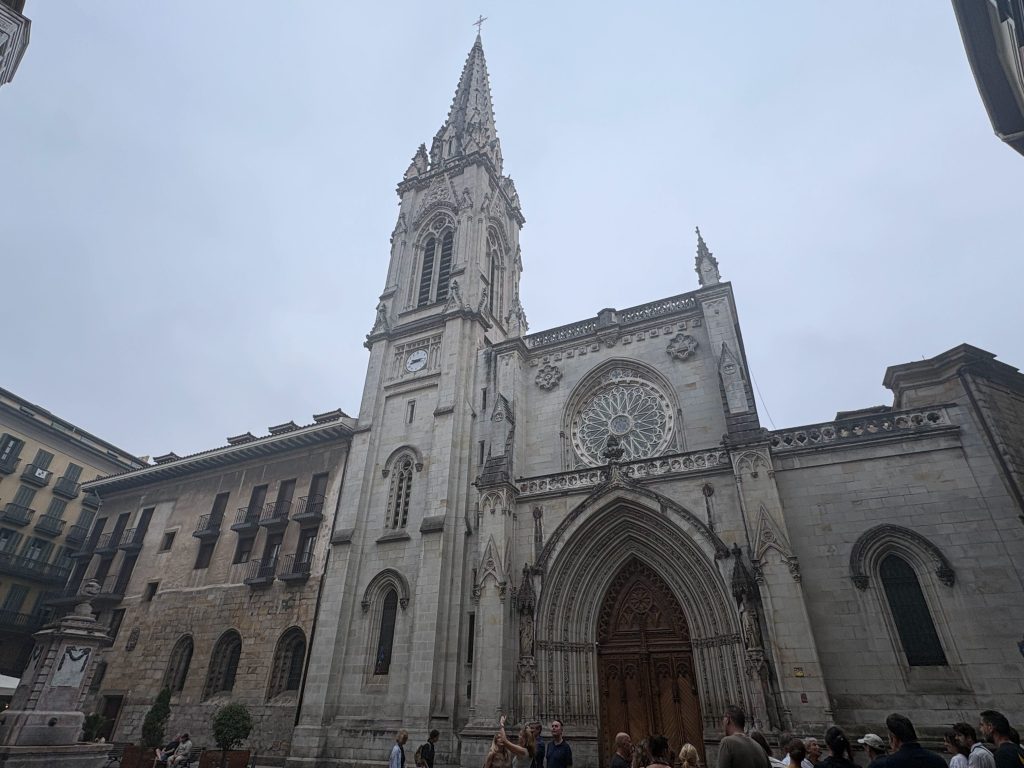
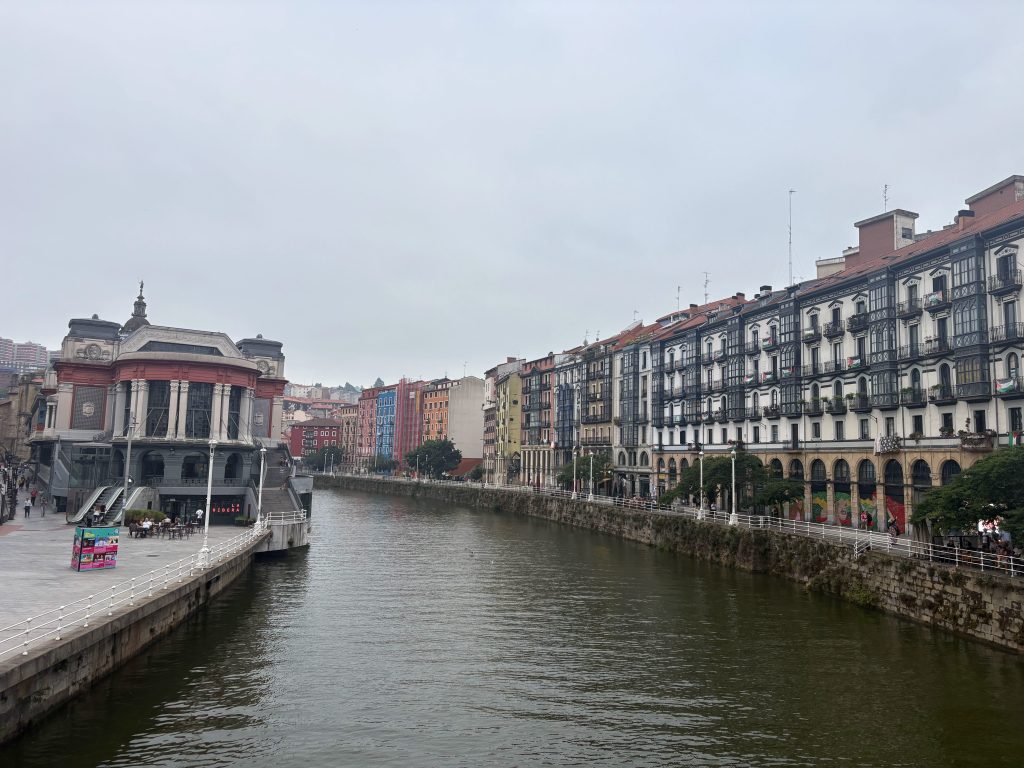
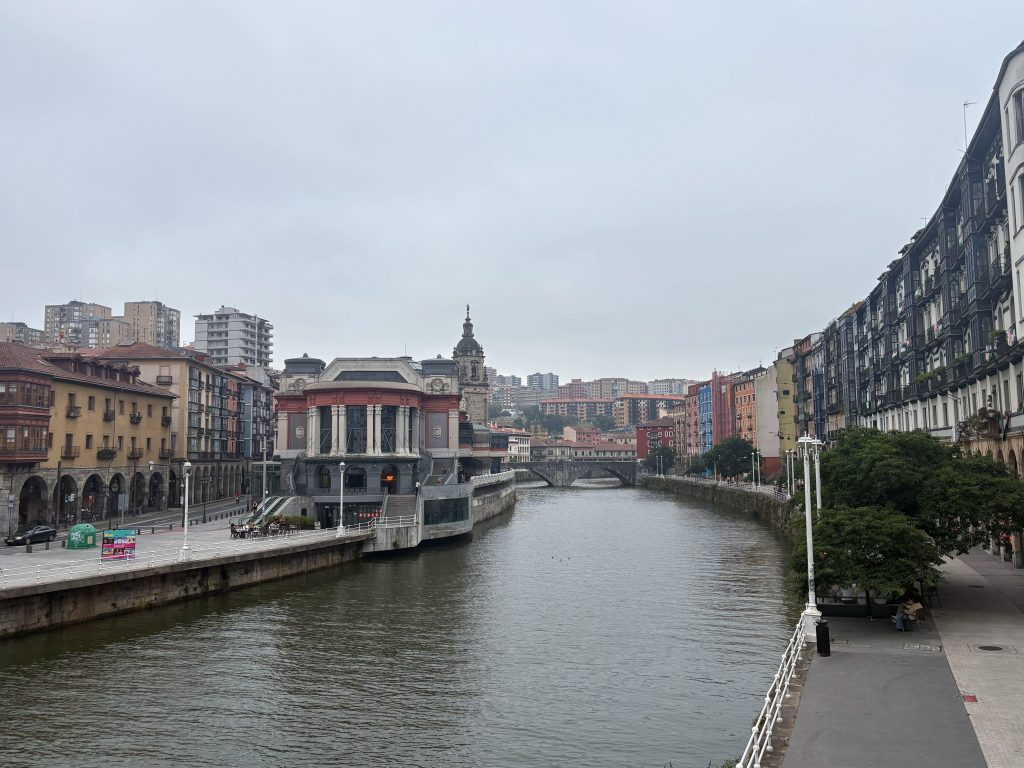
Reflecting on my last night in the Basque Country, I had the overall impression that Basques stand for who they consider to be oppressed, they are fiercely independent and hardworking, have pride in their Basque identity, and may not appear very bubbly and friendly to tourists, but are still welcoming, kind, and down to earth people. While I didn’t have a meal at a Michelin-starred restaurant, this region has one of the highest concentration of them, the pintxos scene is very lively and traditional. Everything I ate was unique and delicious.
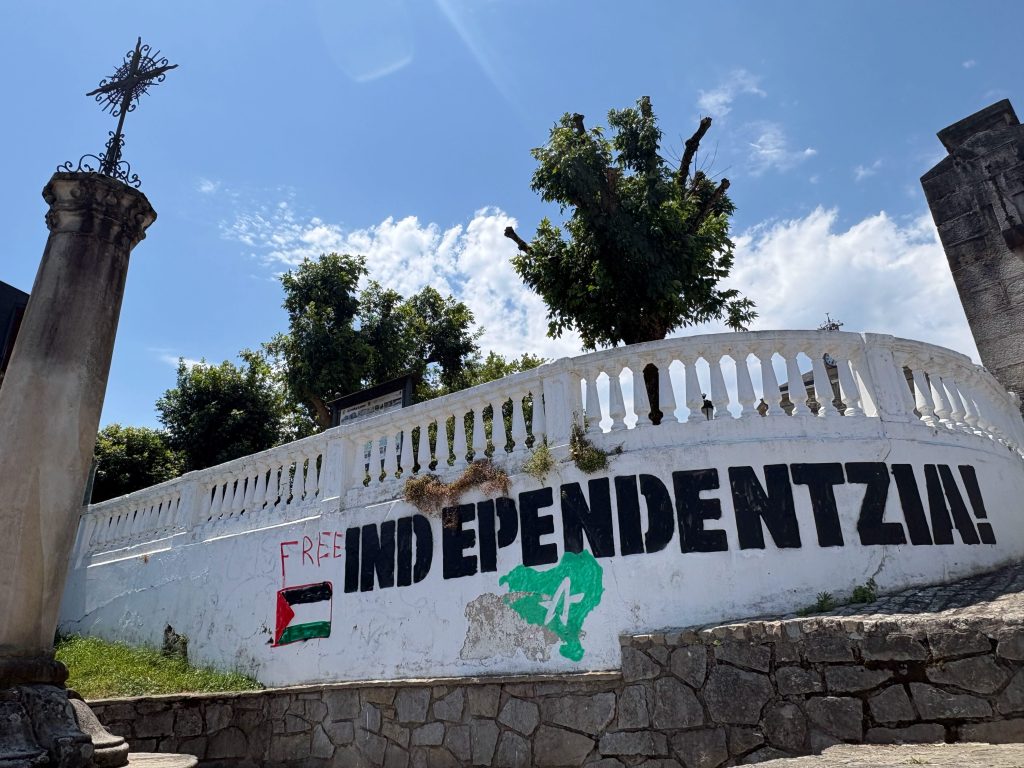
I saw many Palestinian flags throughout Spain, but especially in the Basque Country. I would have liked to dive deeper into ETA’s history while on this trip, but didn’t have the opportunity.
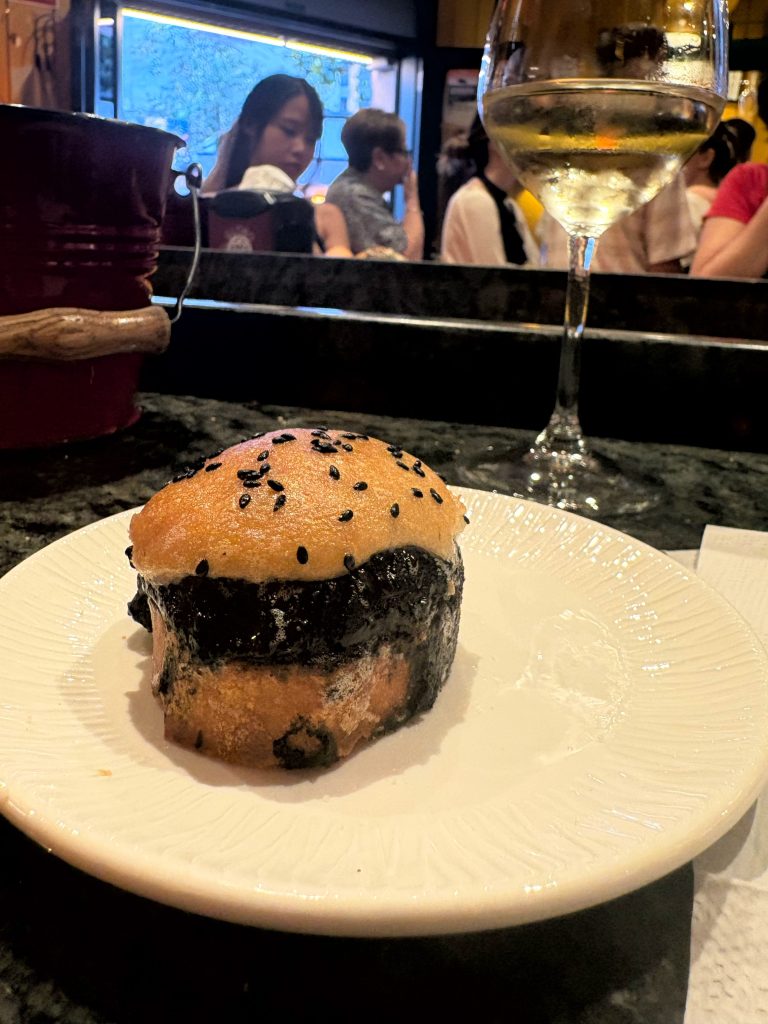
Txipirones (Chipirones) en su tinta (Squid in its black ink)
By the end of my sightseeing “rest” day, I clocked 12 miles. Something to seriously consider is the extent to which you want to be a “tourist” versus having the experience of a pilgrim. I didn’t dive into the pilgrim’s existence as much as I would have liked. There was so much I wanted to see since this was a region new to me. Next time I would truly rest on rest days, as well as make other adjustments that simplify my experience on the camino.
What place have you visited that resonated with you in a more deep, embodied way?
Peace and happy hiking,
Maria

